Search This Blog

Sunday, April 13, 2025

Results and final statblock Siabrae undead druid fight, next stop Strahd's Castle?

Loot gained - Insignia of Claws. Staff of Healing.   


Siabrae. Thinking CR 13. HP about 150. AC about 17 to 19.  Had level 7 spells.  Used lightning spells a lot.  Also had circle of spore powers… amped up a little (2d10 dmg if ppl were within 10 ft of him). 3 legendary actions per turn.  Some legendary resists. Could wildshape into undead big things. 

The Siabrae, named Fellmorn by others after he became undead, was tough.  But his real motivation  was to take out Strahd.  So when the party defeated his army and finally him, with just a few hits worth of HP left, he walked into the party’s druid-as-fireElemental… gave up and said “You are powerful enough to defeat Strahd, do so” or something close to that. Turned into dust and was absorbed into the ground (he'll come back later, 1d10 days.). It was a fitting and memorable end. Plus it was a 5 hour battle, holy cow.  

He was CR 13 i am pretty sure.  The Eclipse Burst spell https://2e.aonprd.com/Spells.aspx?ID=1508&Redirected=1 was crazy, did 57 dmg on my roll.  He was connected to the Shambling Mound… sort of shared some HP.   When shambler died from a max blight spell, the Siabrae took like 30ish dmg.  

Eclipse Burst (spell borrowed from Pathfinder): 

Range 500 feet; Area 60-foot burst

Defense Reflex
A globe of freezing darkness explodes in the area, dealing 8d10 cold damage to creatures in the area, plus an additional 8d4 void damage to living creatures. Each creature in the area must attempt a Reflex save.

If the globe overlaps with an area of magical light or affects a creature affected by magical light, eclipse burst attempts to counteract the light effect.


Other spells/things used by the miniboss Siabrae:

  • When the Shambling Mound appeared, a faint green energy connected the Siabrae to the shambler. This was the life connecting force (special option, made it all up... explained to kid after that if the shambler was alive, wouldn't be able to kill the Siabrae. I guess similar to a shield guardian now that I think about it). 
  • Earthmaw from ad&d 2e. I wasn't sure if it auto hit, so I rolled to hit and missed every time. Was still a fun scene. 
  • Chain lightning did BIG damage, hit 2 guys plus healed shambler. 
  • Call lightning, mostly to heal the Shambler. Did it twice I think. 
    • Kid did a strategic eldrich blast on him to make him Concentration check, and it knocked call lightning down, good move. 
    • Used call lightning again at the end, 4d10 dmg to two guys. 
    • CONFIRMED YES: Pretty sure a circle of the moon druid [any druid actually] (the kid's) could use call lightning, wildshape, and use it from the skies, etc. He thought no, but I think yes. It does "use an action" to recast it tho. 
  • Threw a spore circle thing... 10 foot diameter... 2d10 dmg CON save. 
  • AOE spore circle thing circling the Siabrae, 2d10 CON save again. 
  • Turned into an undead Wooly Rhino at the end. It never hit.
  • Raise dead (but only one hit to kill weak skellies x 2). 
  • Earth glide (went under dirt, popped up elsewhere, put out the fire on himself from elemental). 
  • Pass tree - teleported to a new spot right before he cast the big dmg Eclipse Burst. 
  • Sticks to snakes - he did it from afar on a twig blight (cool scene)... made 6 snakes. They all missed their attacks, and died from icewall the next round before could do much. 
The scene before the big fight:
  • a few twigblights
  • a few berserkers and 2 druids
  • Then he spotted a spying skeletal (wolf?) run away. 
    • My intention was to have it there for the fight by the Siabrae, but I guess it was a 100% spy. I wonder if the kid thinks it was a Strahd spy (cuz i mentioned Strahd's spies are always tailing him). Was it a Strahd spy???
Yep, the kept the crazy dragon horns, same face and all, I like it. 


Other monsters present, it was a BIG fight:
  • 8 elemental skellies. 
  • 2 berserkers - these humans always hit hard with reckless attack and high HP for a CR2. 
  • 1 evil druid human (got killed first round by the buffed up Barb.)
  • a dozen or so twig/vine/DRY-poweredUp-twig blights... most killed by first round scroll of firewall
  • 3 big undead guys came up out of the ground (the wooly and the sloth felt right, like older animals of the region that are extinct now... the Siabrae is also super old, probably same as Strahd), plus the shambler appeared at the same time
    • undead wooly rhino - CR 4 (the monster version first, not the shapechange version of the Siabrae). It might have hit once if any. 
    • undead Chimera - CR 6 (used full Chimera stats)... the one-time-use-hellhounds did a lot of dmg to it. But it did get off one breath attack for good dmg. Died before could attack again. 
    • undead giant sloth - CR 2 
    • Shambling mound - did a lot of dmg, hit often, stayed alive forever. 

 The kid did some things well:

  • Used all special items for Barb (one time use +3 weapon, and a once a day option to hit harder with adv for 2 rounds). Took out the small evil.druid super fast round one, then did big damage to I think it was the wooly Rhino and took it out before it hit anything too hard. 
  • Icewall is really good. 
    • The barb did get trapped for a moment, but climbed a nearby tree and got out so no probl.

  • The party's Druid was key 
    • using a (one time use?) 60 HP heal to get the fighter back up. 
    • stayed at high HP the whole fight, then went elemental to take out the Siabrae, whereas the other 3 characters were all super low at that point about to croak. Note... the Siabrae was honorable and really truly did want to nuke Strahd, so he didn't cast any spells at the end to try to take out the hurt guys (b/c if he had then maybe Strahd would win)... saw the writing on the wall and tapped out. 
    • Now the Druid has one of the charm deals, so I think here he used the auto-roll-10-charm strategically. 
  • The Warlock hit hard with the usual.
    • Eldr Blast just hits pretty hard
    • Fireball did some dmg. 
    • He never flew. The kid said he thought about it but it never made sense in this fight. 
    • He used the auto roll 10 charm strategically of course. 

Origins of Metroid (1986) monsters and music, from Time Masters (1982)

 The animated film, art by Moebius, Time Masters from 1982.  At time 11:40, when the three adults are getting in the smaller red spaceship/water ship… several jellyfish (giant purple colored “white squash”) looking things are flying overhead.  The lady says “Oh they’re lovely”.  

And the music/sound effects before and during… the vibrating in and out sound…. to me are extremely similar to the Mother Brain boss fight in the original Metroid on NES from Nintendo.  

A scene later, they are talking to a white haired, bearded man with a cap… he says something like “And they like to eat the brain of a man, …just like a soft boiled egg!” .  Umm, yeah, that’s kinda what metroids do, they latch onto your head! And now we know why the mother brain is a thing too… although maybe it is more related to illithid Elder Brains in d&d.  

Researching… https://monsterbrains.blogspot.com/2012/03/time-masters-rene-laloux-moebius-1982.html

The old guy is Silbad.  The scene after the flying squash metroids are shown, Silbad shows under his cap, a metal cover from where the Frelons(spelled?) or Frillins or whatever they are attacked his brain.  

Apparently the movie is based on a French novel from 1958, “ . It is based on the 1958 science fiction novel L'Orphelin de Perdide (The Orphan of Perdide) by Stefan Wul”.

When I saw these floating in the air, with those sound effects, it just screams Metroid to me. Is it just me? 


Get that Metroid off my head!
The mother brain... they were obsessed with brains. 


But this website says “brain devouring insects”… maybe not the flying squash jellyfish after all. 

UPDATE: Watched some more, the giant squash jellyfish turned into sort of giant water flowers, which hatched out a bunch of children(?) robots... and I read they turn into angels or something eventually. I'm still going with "the whole thing influenced Metroid greatly" because I just can't accept the multiple coincidences. 

https://thebeacon.film/calendar/movie/the-time-masters

Siabrae powers new. Speech 2.

200ish HP. 19ish AC  

+12 to hit, melee dmg is 3d6 plus 5 (two att), or ram w antlers for 5d6+15 (1 attack). Bone shard curse clumsy become disadvantaged dex 1d4 rounds. 

Spells:

  • Earthmaw…(legend action?) similar dnd 2e but grappled only one round.  If make save, during the one round u break free and can move but not att.  If fail, stuck all the way for one round.  
  • Sunbeam spell.  
  • Eclipse Burst super spell from Pathfinder but tone dwn a little  
  • Earthglide, (see Pathfinder) bonus action(?). Or legend action.  Heals when does it.  

Animals/Summoning/Conjuring: 

Sticks (grabs a twig blight, breaks it apart, bonus round) to undead Snakes. 1d6+1 per bite (I'll do +to hit same as the Siabrae's melee + to hit)… venom…6 total snakes. One hit, snake dies. (Tell kid undead venom has 10% chance knock unconscious like sleep.. otherwise poisoned 1d4 rounds). Similar to 2e AD&D version. 

Chimera undead? Yeah, but keep same stats as living. 

Wooly rhinos… CR4 good for undead versions. Use this https://www.dandwiki.com/wiki/Woolly_Rhinoceros_(5e_Creature)

Giant Sloth, undead versions. CR2. Good https://www.dandwiki.com/wiki/Megatherium_(5e_Creature)

*** remember, dies not, just turns to dust, absorbed in ground.

Spore druid stuff

  • circle of spores 10 ft radius around him, 2d10 dmg, CON save half. 
  • can "throw" a circle of spores, turns into a 10 ft. grid (4 squares), same dmg/save.
  • can raise dead (skellies only in my version... if they are fresh dead, the meat and whatnot just disappears and the skeleton rises)

Other Powers, some from Pathfinder's Siabrae

  • Stone antlers, and can keep if wildshape  Remem, wildshaped is sickly or skeletal animals   Summons too.
  • Wildshape. 
  • Summons twigs, blights, skellies, skellie animals.  Sickly/undead animals. 


SPEECH

The wereravens are expendable  the villages are expendable. They will have survivors, but my people have lost their way. No longer noble… we will either die trying or defeat the vampire. Join us. 

If u r powerful enough to defeat my kin and me, good… destroy the enemy vampire. We will persist and regrow. 


Next time, wereravens tell of- D&D Siabrae undead druid

 D&D Siabrae undead druid


LEGEND of wereravens. Their ancestors told of story… a powerful being, (spirit/man/undead druid) that stood in lightning storms w no dmg hands in air.  Stood on those Yesterhill rocks.  

“They say he doesn’t die.  Sometimes skeletal creatures accompanied him.  We think it is the same one you spoke to.  That makes him very old.  He seems to be in league w he vampire… the people with him now seem evil, are evil. 


Our legends tell us the druids from before Strahd were good… protected the land. Now all of them are corrupted and hate us.  Twig blights all over.  Now giant tree blights you say? Skeletons? We will eventually be wiped out.  


You know our secret… we r wereravens….don’t tell the townspeople. They mistrust nonhumans.  

Friday, April 11, 2025

Od&d or Ad&d 1e, poison killed of half hp

 About hitdice for monsters being d6 based. Weapons all did d6. Etc. 

Poison (snake venom also) killed if failed save, or half your hp  Wow!

https://merricb.com/2017/08/14/hit-points-through-the-editions-part-1/

Thursday, April 10, 2025

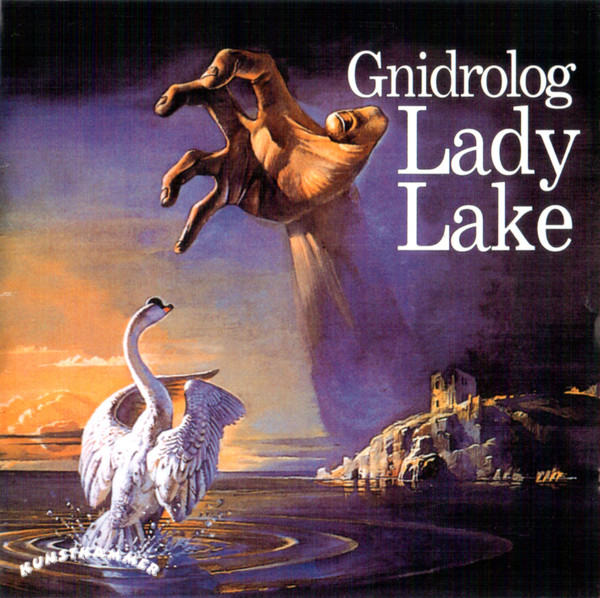
Gniderolog’s cover art (band) is awesome

 The giant hand, the swan on the lady lake. I just love the art, super D&Dish if you ask me. The giant hand of Tiamat vs. Raistlin in the Abyss... that sort of thing. 

They were listed on a yt "30 rock & rewind bands" or something. 

https://rateyourmusic.com/release/album/gnidrolog/lady-lake/


Wednesday, April 9, 2025

D&D 5e (2014) Most all of the tricky but basic rules

 Thanks to https://www.flapkan.com/

D&D 5e (2014) Most of the tricky rules


COMBAT ACTIONS (PHB 192)

DODGE (action) Attack rolls from attackers you can see have disadvantage and you have advantage on Dex saving throws until the start of your next turn, until you become incapacitated or your speed drops to 0.

ESCAPE (action) Escape a grapple by winning a Str (Athletics) or Dex (Acrobatics) check vs. grappler’s Str (Athletics) check.

HELP (action) Give an ally advantage on next ability check or attack roll vs. an opponent within 5 ft of you, if done before the start of your next turn.

HIDE (action) Hide from those that can’t perceive you. Your Dex (Stealth) check is the DC for anybody’s Wis (Perception) check to discover you.

OVERRUN (action or bonus action) (DMG 272) Move through hostile’s space once by winning opposing Str (Athletics) check. Advantage if you are larger or disadvantage if you are smaller than the opponent.

READY (action) Choose an action that you will take in response to a set trigger. Taking the action uses your reaction. Readying a spell requires concentration and expends the spell slot.

SEARCH (action) Search for something, possibly with a Wis (Perception) or Int (Investigation) check.

TUMBLE (action or bonus action) (DMG 272) Move through hostile’s space once by winning opposing Dex (Acrobatics) check.

USE OBJECT (action) You can interact with an object once per turn for free. A second interaction and special cases take an action to complete (e.g. draw a second weapon, equip a shield, drink a potion, retrieve an item from a backpack).


COVER (PHB 196)

HALF +2 AC and Dex saving throws 3/4 +5 AC and Dex saving throws

TOTAL Can’t be targeted directly by attack or spell (well, kinda).


ATTACK ACTIONS (PHB 195)

MELEE ATTACK (one attack) Normal attack on target within 5 ft. If attacking with a light melee weapon in one hand, allowed to make an attack with a light melee weapon in other hand as a bonus action, see ‘TwoWeapon Fighting’. If either weapon has the thrown property, it may be thrown as part of this action.

RANGED ATTACK (one attack) Normal attack if up to normal range (first number). Disadvantage on the attack if up to long range (second number). Disadvantage on the attack if a hostile that is not incapacitated is within 5 ft and can see the attacker.

TWO-WEAPON FIGHTING (bonus action with attack action) If making an attack with a light melee weapon in one hand, allowed to make an attack with a light melee weapon in other hand as a bonus action. This off-hand attack can’t add a positive ability score modifier to the damage roll. If the weapon has the thrown property, it may be thrown as part of this action.

DISARM (instead of one attack) (DMG 271) Knock an item from grasp by winning weapon attack roll vs. opponent’s Str (Athletics) or Dex (Acrobatics) check. Disadvantage on the weapon attack roll if the item is being held with two or more hands. Larger opponents have advantage and smaller have disadvantage.

GRAPPLE (instead of one attack) With a free hand, give the grappled condition to an opponent that is within reach and up to one size larger than you by winning Str (Athletics) check vs. opponent’s Str (Athletics) or Dex (Acrobatics) check.

MARK (with melee attack) (DMG 271) With a melee attack you can mark the target of that attack. The next opportunity attack against the marked target before the end of your next turn has advantage and doesn’t cost you your reaction.

SHOVE (instead of one attack) Move opponent 5 ft or make prone by winning opposing Str (Athletics) check. Disadvantage if trying to move the opponent to a side rather than to directly away from you.  


CONDITIONS  (PHB 290)

BLINDED Fail checks involving sight. Attacks have disadvantage. Enemy attacks have advantage.

CHARMED Can’t harm/attack charmer. Charmer has advantage on ability checks to interact socially.

DEAFENED Fail checks involving hearing.

FRIGHTENED Disadvantage to checks/attacks while the source of fear is in sight. Can’t willingly move closer to the source of fear.

GRAPPLED Speed 0, regardless of bonus. Ends when grappler is incapacitated or when moved out of grappler’s reach by an effect.

INCAPACITATED Can’t take actions or reactions.

INVISIBLE Can’t be seen (normally), but still make noise and tracks. Attacks have advantage. Enemy attacks have disadvantage.

PARALYZED Incapacitated. Can’t move or speak. Fail Str and Dex saving throws. Enemy attacks have advantage. Enemy attacks within 5 ft are critical hits.

PETRIFIED Incapacitated. Can’t move or speak. Unaware of surroundings. Resistance to all damage. Immune to poison / disease. Fail Str and Dex saving throws. Enemy attacks have advantage. Stop aging. Weight increases by factor 10.

POISONED Disadvantage on attack rolls and ability checks.

PRONE Crawl (at ½ speed) or stand up (costs ½ speed). Attacks have disadvantage. Enemy attacks have advantage within 5 ft and disadvantage if further away.

RESTRAINED Speed 0, regardless of bonus. Disadvantage on Dex saving throws. Attacks have disadvantage. Enemy attacks have advantage.

STUNNED Incapacitated. Can’t move. Can speak only falteringly. Fail Str and Dex saving throws. Enemy attacks have advantage.

UNCONSCIOUS Incapacitated. Can’t move or speak. Unaware of surroundings. Drop everything. Fail Str and Dex saving throws. Enemy attacks have advantage. Enemy attacks within 5 ft are critical hits


LIGHT & VISION  (PHB 183)

LIGHTLY OBSCURED (dim light) Disadvantage on sight Perception checks

HEAVILY OBSCURED (darkness) Effectively blinded (see conditions)

BLINDSIGHT Out to range, perceive without sight.

DARKVISION Out to range, treat dim light as bright light. Can’t see colors.

TRUESIGHT Out to range, perceive everything regardless of (magical) darkness, invisibility, illusions, shapechanging, or etherealness.


EXHAUSTION (PHB 291)

1 Disadvantage on ability checks ,2 Speed halved ,3 Disadvantage on attacks / saves ,4 Hit Point maximum halved ,5 Speed reduced to 0 ,  6 Death


MOVEMENT (PHB 182)

MOVE (limited by movement speed) You can move your movement speed every turn. You can break up your movement between actions. You can switch back and forth between different types (e.g. from flying to walking), by subtracting the distance already moved from the new speed. You can freely move through a nonhostile’s space, and through a hostile’s space if it is two sizes larger or smaller than you. Another creature’s space counts as difficult terrain.

CLIMB / SWIM (at ½ speed) May involve a Str (Athletics) check if the climb / swim is difficult.

CRAWL (at ½ speed) Crawl while prone (see conditions). Dropping prone costs no movement speed.

DIFFICULT TERRAIN (at ½ speed) Moving through difficult terrain costs twice as much speed. Another creature’s space counts as difficult terrain.

JUMP After moving at least 10 feet on foot, you can jump your Str score in feet straight forward, or 3 + your Str modifier in feet up. The jump distance is halved when performing a standing jump.

STAND UP (costs ½ speed) Standing up from being prone costs half your movement speed for this turn


ENVIRONMENT (PHB 183)

FORCED MARCH Marching more than 8 hours per day requires a Con saving throw at DC 10 + 1 per additional hour, at the end of each additional hour. If failed, suffer one level of exhaustion (see conditions). FOOD (one pound per day) Go without food for 3 + Con modifier of consecutive days (1 day minimum). At the end of each day beyond that, suffer one level of exhaustion (see conditions). WATER (one gallon per day) If only half a gallon is consumed, DC 15 Con saving throw at end of day. If failed or consumed less than half, suffer one level of exhaustion, or two levels of exhaustion if currently already exhausted (see conditions).

FALLING 1d6 bludgeoning damage per 10 feet fallen, to a maximum of 20d6. End prone if taken any damage from the fall.

SUFFOCATING Hold breath for 1 + Con modifier in minutes (30 seconds minimum). After that, survive for Con modifier in rounds, after which drop to 0 hit points and dying.

SHORT REST A short rest takes 1 hour of doing nothing too strenuous. At the end of the rest, spend hit dice to regain hit points.

LONG REST A long rest takes 8 hours with nothing too strenuous for more than 1 hour of that. Regain all hit points and half hit dice at end. If food and water are consumed, reduce exhaustion level by 1. Maximum of 1 long rest per 24 hours.


TRAVEL PACE (PHB 182)

PACE MINUTE [HOUR] DAY               EFFECT

Fast 400 feet      [4 miles] 30 miles          -5 passive Perception

Normal 300 feet [3 miles] 24 miles         –No Effect–

Slow 200 feet     [2 miles] 18 miles         Able to use stealth


Tuesday, April 8, 2025

HobGoblin art from older D&D, B1-9 In Search of Adventure module

 HobGoblin art from older D&D, B1-9 In Search of Adventure module. Looks like a 1e or Basic B/X BECMI type module. 

I love the detail. It is interesting how savage they are, as they should be. Also, note the one guy with the longer mustache whiskers... I guess he's either growing them on purpose or he just happens to ahve more facial hair in that area. Other hobgobs here have only the lower beard... it seems more fitting, but that's what makes the one crazier looking guy stand out. Either way, great detail. 

The armor is interesting. Look at the fur detail... so realistic. The right arm's plate has spikey studs near the hand, apparently for ... punching? 

The square black facepaint is very interesting too. It looks correct for hobgoblins. They are more orderly, so perfectly straight lines I can believe. 


Monday, April 7, 2025

Pathfinder trickies

 https://www.reddit.com/r/Pathfinder2e/comments/11awzn0/how_pathfinder_2e_fixes_1e_and_dd_the_rules_lawyer/

And tricky stuff, good to know bcu i use the delay turn in 5e. Mostly… rules to prevent abuse. See here—-

https://www.youtube.com/watch?v=C40wuU83Gco

—-

More on casters. 

WAIT THIS WAS PATH 1e…so ignore. This says Sorcerers are tier SS, i wonder a lot … claims fighter vanilla and vanilla rogue are both terrible. How? So many fun options. Shield stuff. And Rogue can offhand dagger and get easier to hit sneak attacks  and weapons that do extra on sneak attacks. https://www.gog.com/forum/pathfinder_kingmaker/ineffects_guide_v2/post62


Claims wizards weak path 2e… ALL casters are weak in path 2e. Yeah i suspect so… https://paizo.com/threads/rzs4n91l?4-years-of-PF-2-Wizards-are-weak

ARCANE BOND FEAT. For wizards. 

Btw, u can feats from other classes, so i bet a sorcerer could get. 


https://www.patreon.com/posts/teach-of-2e-for-119897096


https://m.youtube.com/watch?v=2kD_myoY5P4

You get as sorc, a signature spell for each spell rank  So pick mm for rank 1, xxxx for rank 2, fb for rank 3, etc

Could pick fb as signature spell cuz…

The signature spells class feature lets you heighten certain spells freely.

Btw, can’t ready a 2 action spell … only can ready one action. 

Character builders

Sly flourish talking char builders and

https://www.levelup5e.com/news/announcing-level-up-gateway

And roll20 has one. Not for phones?
Dnd beyond. 
Foundry … his fav but clunky  
Shard, v good  

Try google 5e char builder. 
Slyflourish says pen n paper..
9:47!seconds to build a lvl 1 fighter. 

D&D Basic, B/X, BECM, BECMI

 https://www.youtube.com/watch?v=5B0BTZgYxrI&list=LL&index=23&t=2887s&pp=gAQBiAQB

My take: Once again Willy Muffin has some of the best info on what books are what, the various versions of Basic, and some cool history. His English accent/way to saying things... he spells out "B E C M I", doesn't use the shortcut "beckmee" pronounciation that a lot of youtubers use. He started with "basic" and still loves it, but he mostly played AD&D1e back then, and 4 years ago was on 5e DnD. 

The Holmes (1977) version. The Moldvay (1981), the Mentzer (1983 red box with the super art), and the Rules Encyclopedia in 1991. (((Sounds like they are all super close, but the 1981 version is perhaps the easier to use with the other ones since it is sort of in the middle rules-wise.)))

  • ENWORLD, of course, has the details about rules when you play.
  • WIKIPEDIA, further down, has info on physical differences, names of artists, etc. etc. 

1983


Via ENworld's Remathilis: https://www.enworld.org/threads/so-what-is-the-difference-between-basic-b-x-and-becmi.258419/  ... LOTS MORE DETAILS in that thread. 

"The Basic D&D sets comes in three revisions: The Holmes (original), the Moldvay/Cook Basic/Expert (B/X) and the Mentzer Basic/Expert/Companion/Masters/Immortals (BECMI).
What are the differences between the three? Are they as radically different as AD&D editions are?

It seems that most people who refer to Basic refer to B/X (Moldvay/Cook), and not Holmes or Mentzer/BECMI. I'm curious as to why."


Ariosto

The Holmes edition mainly compiled material from the original D&D set and Greyhawk supplement, plus some bits (e.g., revised spell descriptions) from the AD&D work in progress and a helping of Holmes innovations (e.g., the shorter combat turn).

A notable difference from later Basic sets is that ability score bonuses are mostly just those of the original D&D set, although constitution allows up to +3 per hit die (bonuses still starting at a score of 15). Strength and wisdom simply give XP bonuses to fighters and clerics respectively, and dexterity (besides being the prime requisite for thieves) gives a bonus with missiles. The charisma table was omitted, although effects were suggested.

The intelligence table from Greyhawk was incorporated to determine an m-u's spells known. An interesting twist was that even mages of low level (Holmes treated the first three) could make scrolls.

Elves were described as advancing simultaneously as fighters and magic-users, dividing XP equally, with six-sided hit dice -- a bit of confusion cleared up in later versions. The characters in Module B1 included separate elven fighting men and magic-users, and thieves of all four races; all the clerics were human, though.

Per Greyhawk, thieves had no special ability to find traps, and removal was indicated as applying to "small traps such as poisoned needles". Per the original set, traps by default sprang only on a 1 or 2 on d6.

Alignments were five: LG, LE, N, CG, CE.

There were only 70 kinds of magic item: 7 categories with weighted probabilities, then an equal chance for each of the 10 entries in the category. Swords followed the OD&D convention of adding damage only versus foes against which they got a special, higher bonus to hit. There was no treatment of intelligent swords.

The monster list was quite comprehensive; I'm not sure it left out any from the original set, and there were additions from Greyhawk. Besides the hit dice from that work, the multiple attacks and damage dice were incorporated for monsters -- although all characters' weapons still did 1d6.


Dyson Logos

(I'm doing this from memory, because my books are over at my girlfriend's right now - so pardon any mistakes. I also haven't read Holmes basic in YEARS)

Holmes Basic has some material that made it into AD&D1e. Stuff like chance to know spells based on Int for wizards. It also seperates class and race and has 20sp to the gp. There are 5 alignments.

Moldvay / Cook Basic (B/X) uses 10 sp to the gp, combines race and class into one field, and mostly standardizes attribute bonuses. 3 Alignments.

BECMI adds scaling weapon proficiencies, non-combat skills, nerfs the thief skills (because obviously the thief needed to become even less useful), and adds material above level 14 to the game.

While I like the Rules Cyclopedia, I get bummed out every time I see the poor thief skills.


rogueattorney

The Holmes set is really it's own beast. It's halfway between OD&D and AD&D, with a few odd rules that are unique to to it... Basing initiative on Dexterity, the 5-prong alignment chart, etc.

The B/X and the BE portion of BECMI, are pretty much identical, a few different spells, a couple diferences in the saving throw charts, not much else different. Most of the difference are at 7th level or higher. The only real difference in the Basic rules were presentation, with the 1981 rules being concise and straightforward, and the 1983 rules being a tutorial walk through.

Of course, the CMI portion of BECMI contains all sorts of things that weren't in the BX game, not all of them just high level stuff. Depending on to what extent you integrate things like the Mystics and other new classes, Weapon Skills, demi-human attack ranks, the Immortal rules, and so on, into your low-level game, you may have a very different beast from B/X.

The Rules Cyclopedia is basically a compilation of the BECM portion of BECMI. It has most, but not all of the first four boxes. It also has a number of things that were introduced in the Gazetteer series. Most notably, the Non-Weapon Skills. But also things like a more detailed spell research system.

Really, it's all nitpicking. You're going to be able to use anything for D&D written in 1991 for the 1977 set and vice versa.

For being comprehensive, you'd want the RC[Rules Cyclopedia], even though there are things in it that I think are poorly written (the combat rules), and a lot of stuff that I, personally, would never use in my game. If you're looking for a nice concise well-written set of rules, either the Holmes (1977) or Moldvay (1981) rules will do. And then use the 1981 Cook Expert rules to continue on past 3rd level. (The Cook rules have an opening note for conversion from the Holmes set.) I think the 1983 Mentzer set is best for people who have no familiarity with rpg's at all. It's too scattered to be a good reference for my taste.


Voadam

I'm currently reading the Holmes set cover to cover and it is . . . different. I haven't read the others in a long while.

Nobody advances in attacks or saves. Fighters can use any armor and get d8 HD. They can use any weapon, but all weapons do a d6 so the wizard is not worse off with daggers (fighters can use bows for further range though). Str does not seem to do extra damage. Fighters still seem the best off because wizards get their one and done spell (though they can make scrolls for 100 gp/level and one week of scribing), thief abilities won't work 80% or more of the time, and clerics only get armor, turning, and d6 HD. Plate mail is cheap enough to be bought with starting gold. Magic missile requires a full attack roll and acts like a +1 arrow. Sleep is the only big gun spell.

Significantly different rules for monsters, they can all see in the dark, dungeon doors work for them unless spiked while players must force them open, their attacks get better with more HD, etc.


Via wikipedia:

"The original Dungeons & Dragons Basic Set was published by TSR, Inc. in 1977.[1]

TSR hired outside writer John Eric Holmes to produce the Basic Set as an introductory version of the D&D game. It incorporates game concepts from the original 1974 D&D boxed set plus Supplement I: Greyhawk.[2] The rulebook is intended for characters of levels one through three, with rules for adventuring in dungeons, and introduces the main concepts of the game;[2] it explains the game's concepts and method of play in terms that make them accessible to new players ages twelve and older who might not be familiar with the rules and structure of tabletop miniatures wargaming. Although the Basic Set was not fully compatible with Advanced Dungeons & Dragons, players were expected to continue play beyond third level by moving to AD&D,[2][3] which was released beginning later that year. Holmes preferred a lighter tone with more room for personal improvisation, while Gary Gygax, who wrote the Advanced books, wanted an expansive game with rulings on any conceivable situation which might come up during play, and so could be used to arbitrate disputes at tournaments.[2]

...

The first Basic Set was available as a 48-page standalone rulebook featuring artwork by David C. Sutherland III, or as part of a boxed set,... [boxed set put in Toy Isles.] 

In that same year, Games Workshop (U.K.) published their own version of the rulebook, with a cover by John Blanche, and illustrations by Fangorn.

...

After the September 1979 disappearance of James Dallas Egbert III, Dungeons & Dragons received "mainstream notoriety. And with that, sales of the Basic Set rose dramatically. Right before the steam tunnel incident, the Basic Set might have sold 5,000 copies a month. By the end of 1979, it was trading over 30,000 copies per month, and only going up from there".[7] Following Carr's financial success due to his module being included in the boxed set, Gygax changed the module included with the Basic Set to Keep on the Borderlands which was a module he wrote.[7]

...

1981 revision

After the release of the AD&D game, the Basic Set saw a major revision in 1981 by editor Tom Moldvay.[2] The game was not brought in line with AD&D but instead further away from that ruleset, and thus the basic D&D game became a separate and distinct product line from AD&D. The former was promoted as continuing the tone of original D&D, while AD&D was an advancement of the mechanics.[8]

...color cover by Erol Otus...

The book came drilled with holes so that it could be used in a three-ringed binder, and the full set of off-white polyhedral dice came in a heat-sealed bag with a small wax crayon for coloring the numbers on the dice.

...The revised rulebook was visually distinct from the previous version: the Holmes booklet had a monochrome pale blue cover, while the Moldvay rulebook had a bright red cover.

...

With the revision of the Basic Set, distinct rulesets for higher character levels were introduced as expansions to the basic game.[11] Immediately following the Moldvay version of the Basic Set was the accompanying release of an Expert Set which was edited by Dave Cook with Steve Marsh that supported character levels four through fourteen, with the intent that players would continue with the Expert Set.

...

1983 revision


n 1983, the Basic Set was revised again, this time by Frank Mentzer, and redubbed Dungeons & Dragons Set 1: Basic Rules.


The set included a sixty-four page Players Manual,[13] a forty-eight page Dungeon Masters Rulebook,[13] six dice,[2] and in sets in which the dice were not painted, a crayon.[6] The 1983 revision was packaged in a distinctive red box, and featured cover art by Larry Elmore.[2] Between 1983 and 1986, the system was revised and expanded by Mentzer as a series of five boxed sets, including the Basic Rules (red cover), Expert Rules (blue),[14] Companion Rules (teal, supporting levels fifteen through twenty-five),[15] Master Rules (black, supporting levels twenty-six through thirty-six),[16] and Immortals Rules (gold, supporting Immortals, characters who had transcended levels).[17] Instead of an adventure module, the Basic Set rulebooks included a solo adventure and an introductory scenario to be run by the Dungeon Master.[2]

The rules for the game were little changed from the Moldvay set, but the presentation was overhauled into a more tutorial form, to make the game easier for younger players to learn.

The 10th Anniversary Dungeons & Dragons Collector's Set boxed set, published by TSR in 1984, included the rulebooks from the Basic, Expert, and Companion sets; modules AC2, AC3, B1, B2, and M1 Blizzard Pass; Player Character Record Sheets; and dice. This set was limited to a thousand copies, and was sold by mail and at GenCon 17.

1991 revision

In 1991, TSR released a new version of the Basic Set, labeled The New Easy-to-Master Dungeons & Dragons Game and nicknamed the "black box". This version was principally designed by Troy Denning and made few changes to the game. It included support for characters up to fifth level instead of the third-level limit of prior Basic Set versions.

TSR published the Dungeons & Dragons Rules Cyclopedia the same year, compiling and revising the rules from the Basic, Expert, Companion, and Master Rules box sets to allow players to continue beyond the black box.

1994 revision

A final version of the set entitled The Classic Dungeons & Dragons Game was produced in 1994. ... It was packaged in a tan-sided box.